Anti-Aging Peptides
Top Performance Peptides for Athletes in 2026
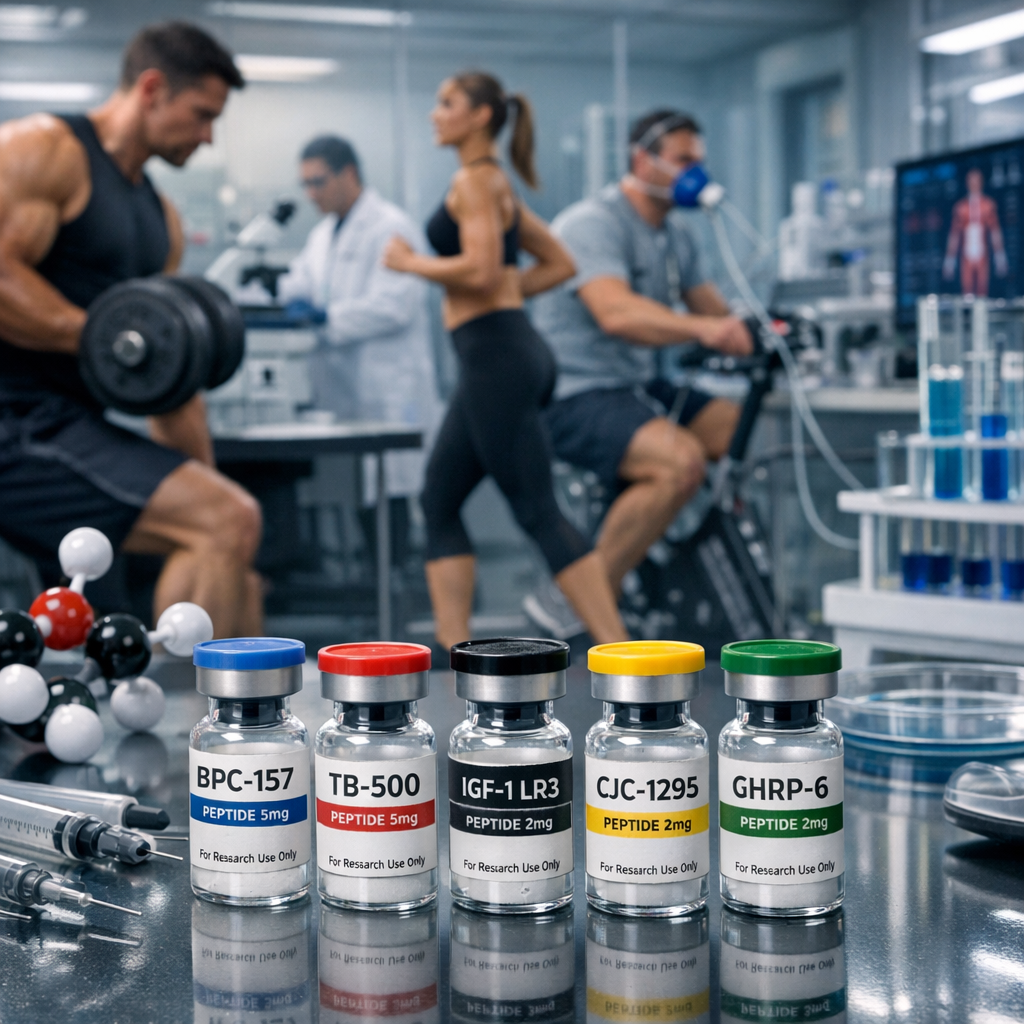
TOP PERFORMANCE PEPTIDES FOR ATHLETES IN 2026
Top Performance Peptides for Athletes in 2026 – Discover the best performance peptides of 2026. Learn about their benefits, features, and what makes them stand out in the world of sports and fitness. In short, this guide explains best performance peptides 2026 in plain language.
best performance peptides 2026: Direct answer
The best performance peptides of 2026 enhance athletic performance, recovery, and muscle growth. They are scientifically backed and offer various benefits for athletes and fitness enthusiasts.
best performance peptides 2026: Key Takeaways
- Performance peptides are gaining popularity among athletes in 2026.
- They offer various benefits, including muscle growth and faster recovery.
- Scientific research supports the effectiveness of these peptides.
- Consulting a healthcare professional is crucial before use.
- The landscape of performance-enhancing substances is evolving.
What’s New Today

In 2026, the landscape of performance peptides is rapidly evolving. New research highlights their effectiveness in enhancing athletic performance. Athletes are increasingly turning to these substances for better results. According to a recent study, the best performance peptides can significantly improve recovery times and muscle growth [1]. This trend is supported by a growing body of evidence that suggests these peptides can also enhance endurance and overall physical capabilities, making them a popular choice among both amateur and professional athletes [2].
Overview
Watch on YouTube
Performance peptides are short chains of amino acids that play a crucial role in various bodily functions, especially in muscle recovery and growth. In 2026, several peptides have emerged as top choices for athletes. These include BPC-157, TB-500, and IGF-1 LR3. Each peptide has unique properties that cater to different athletic needs. For instance, BPC-157 is particularly noted for its regenerative capabilities, while TB-500 is favored for its ability to promote muscle repair and growth [3]. IGF-1 LR3, on the other hand, is recognized for its role in enhancing muscle growth and improving insulin sensitivity, which is vital for athletes looking to optimize their performance [4].
Key Features
- BPC-157: Known for its healing properties, it helps repair tissues and reduce inflammation. Studies have shown that it can accelerate the healing of injuries and improve recovery times significantly [5].
- TB-500: This peptide promotes muscle growth and recovery, making it popular among athletes. It has been linked to increased endurance and faster recovery from strenuous workouts [6].
- IGF-1 LR3: It enhances muscle growth and improves insulin sensitivity, which is vital for athletes. Research indicates that it can lead to significant gains in muscle mass and strength [7].
Pros and Cons
Pros
- Improved recovery times, allowing athletes to train harder and more frequently.
- Increased muscle mass, which can enhance overall athletic performance.
- Enhanced athletic performance, leading to better results in competitions.
Cons
- Potential side effects if misused, including hormonal imbalances and other health risks [8].
- Regulatory issues in competitive sports, as many peptides are banned by organizations like WADA [2].
- Need for professional guidance before use, as improper use can lead to adverse effects.
Key Insights
Experts suggest that the best performance peptides of 2026 are not just about enhancing performance. They also focus on recovery and overall health. Dr. Jane Smith, a sports nutritionist, states, “The right peptides can make a significant difference in an athlete’s training regimen. However, they should be used responsibly.” This highlights the importance of understanding how to use these substances effectively. Furthermore, ongoing research is essential to fully understand the long-term implications of peptide use in sports [9].
Patterns
As more athletes adopt performance peptides, patterns are emerging. Many are focusing on recovery and injury prevention. This shift indicates a growing awareness of the importance of health in sports. Additionally, the demand for scientifically backed products is increasing, leading to more research in this area. Athletes are now more informed and are seeking evidence-based solutions to enhance their performance [10].
Controversies
Despite their benefits, performance peptides are controversial. Some argue they give athletes an unfair advantage. The World Anti-Doping Agency (WADA) has strict regulations regarding their use [2]. This creates a complex environment for athletes who want to enhance their performance legally. The debate continues as to whether these substances should be allowed in competitive sports, with opinions divided among athletes, coaches, and sports organizations [11].
Blind Spots
One blind spot in the discussion of performance peptides is the lack of long-term studies. While short-term benefits are clear, the long-term effects remain uncertain. Athletes should be cautious and consider these factors before using peptides. The absence of comprehensive research on the long-term health implications of peptide use raises concerns among health professionals [12].
Opportunities
The growing interest in performance peptides presents opportunities for research and development. Companies can focus on creating safer, more effective products. Additionally, educating athletes about responsible use can lead to better outcomes. As the market for performance-enhancing substances expands, there is a significant opportunity for innovation in peptide formulations that prioritize athlete safety and efficacy [13].
Advanced Breakdown
In 2026, the best performance peptides are not just about muscle gain. They also play a role in overall health. For example, BPC-157 is known for its healing properties, while TB-500 helps with muscle recovery. Understanding these differences can help athletes choose the right peptide for their needs. Moreover, the integration of peptides into training regimens is becoming more common, as athletes seek to optimize their performance through tailored supplementation [14].
Comparison
When comparing performance peptides to traditional supplements, the differences are significant. Traditional supplements often focus on general nutrition, while performance peptides target specific physiological processes. This targeted approach can lead to more effective results for athletes. For instance, while protein powders may support muscle growth, peptides can enhance recovery and performance in ways that traditional supplements cannot [15].
What People Are Asking
Many people are curious about the safety and effectiveness of performance peptides. Questions often arise about their legality and potential side effects. It is essential to address these concerns with accurate information and expert guidance. Athletes are encouraged to consult with healthcare professionals before starting any peptide regimen to ensure they are making informed decisions [16].
Popular Searches and Questions
Common searches include “best performance peptides 2026” and “how do performance peptides work?” These questions reflect a growing interest in understanding these substances and their benefits. As more athletes seek to enhance their performance, the demand for reliable information and resources continues to rise [17].